
As freelance writers, we all know the freelance writing gig that are easy yeses.
The client pays your rate.
The topic fits your niche.
The timeline is reasonable.
The client seems organized and professional.
Those gigs are great.

The challenge is that most freelance writers don’t have a pipeline full of perfect opportunities all the time.
I mean I never did. I worked on having a few clients but sometimes, things change and I have to pitch again.
Landing a freelance writing job can be unpredictable.
Some months you have multiple inquiries and proposals out at once. Other months feel quieter.
Maybe you’re still building visibility, or you haven’t been marketing consistently.
Or maybe you’re in a phase where you’re shifting your writing niche or services to be more relevant.
Because of this, many freelance writers face a constant decision: should you take the writing job even if it isn’t perfect?
The answer is sometimes yes.
But that yes should still be strategic.
I will always take a writing project below my rate if the brand is notable and can help me land another gig.
If you’re a new freelance writer, though, top brands probably aren’t in your inbox, right?
So, figuring out which project to take can be a bit daunting at times.
It’s not about lowering your standards.
It’s about making thoughtful decisions that help your business grow.
The writing jobs that shape your business the most aren’t always the ones with the biggest invoices.
Often, they’re the gigs that improve your writer portfolio, expand your network, or strengthen your expertise.
To help you out, here are five criteria I personally use when evaluating freelance writing opportunities.
1. The Writing Gig Pays Well (Or You Need the Income)
Let’s start with the obvious one.
Money matters.
When you’re starting out as a freelance writer, you don’t always have the luxury of being selective.
Sometimes you take a writing job because it brings in revenue while you continue building your portfolio and attracting better clients.
There’s nothing wrong with that.
Many freelance writers experience income fluctuations when some months are strong while others are slower.
If a writing project helps you cover business expenses, build savings, or reach your monthly revenue goal, that alone can justify saying yes.
I’ve taken writing jobs purely because they helped stabilize my income during quieter months.
And most freelance writers do the same at some point.
But here’s the important caveat.
If the project drains you, it’s rarely worth it.
And be careful with this as it can become a slipperly slow of undervaluing yours services as Chelsea Brinkley points out on LinkedIn,
“Make sure clients are a good fit for working with you. You’ll regret it if you take on a crappy client just for the money.”
A project might pay well but still create problems if:
- The client constantly changes the scope
- You’re dealing with endless revisions
- Communication is unclear
- Deadlines are unrealistic
Even a high-paying project can become exhausting if it creates unnecessary stress.
When that happens, the best strategy is usually temporary acceptance.
Take the gig if you need the income, deliver great work, and then focus on replacing that client with one who is a better fit.
Your goal isn’t just earning money.
Your goal is building a sustainable freelance business.
2. The Work Strengthens Your Writer Portfolio
Your writer portfolio is one of your most powerful marketing tools you’ll have as a freelance writer.
Future clients hire you based on the work you’ve already done and this means strategic portfolio building is incredibly valuable.
Make sure to check out my Youtube video where I show you how to set up your writing portfolio the right way.
Sometimes a writing job may not pay premium rates, but it gives you something far more important: a strong sample.
Maybe the content is in the writing niche you want to specialize in.
For example, maybe you’re a new tech writer and you really wanted to break into survey tech companies. You can actively cold pitch to find clients and be happy with any rate you recive because the goal isn’t income, it’s strategic portfolio building.
Taking on a lower-paying gig may also allows you to create a detailed case study.
This might be a new skill you are trying to break into and will be huge for your future freelance business.
I’ve taken projects before that were challenging and time-consuming, but they resulted in portfolio pieces that opened doors to better clients.
That single project later helped me land several higher-paying opportunities with well known brands in my industry.
When you think about portfolio building strategically, certain projects become investments.
Instead of asking:
“Does this project pay my usual rate?”
You ask:
“Will this project help attract the type of clients I want next year?”
If the answer is yes, it may still be worth doing.
3. The Client Is Well-Connected in Your Target Industry
Look–
I’ll be the first to say that if a big brand in my industry approaches me, I’m extremely flattered and humbled….and I will accept any rate they offer.
Why? Because referrals are one of the most powerful sources of freelance clients.
Cold pitching works, but referrals tend to convert much more easily and that means you’ll get a good reputation in your niche industry.
Client trust you and will recommend you to someone else because they know you provide stellar content. And this helps a new client trust that you can deliver.
Here’s a X conversation that I had with a current client asking for more work.
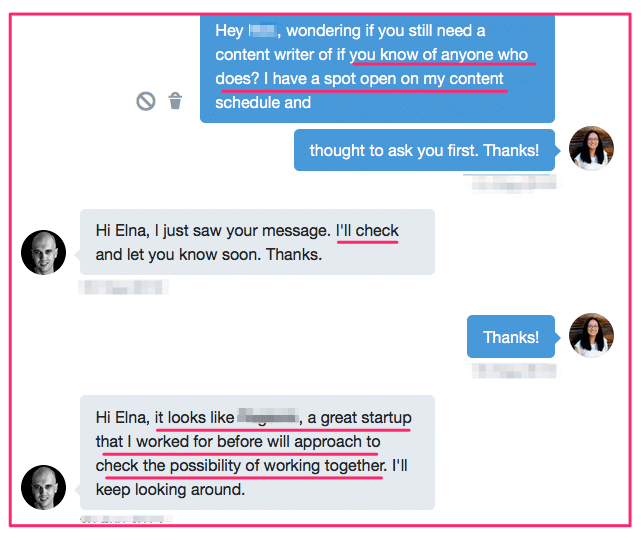
This referral resulted in a great new client showing you that is why well-connected clients can be extremely valuable, even if they pay lower than your standard rates.
So, how can you find clients that will refer you?
These aren’t clients with large social media follower counts.
Someone with a large audience isn’t necessarily well-connected in the industry you want to work in.
What matters more is influence within your writing niche.
For example:
- A SaaS founder who regularly collaborates with other founders
- A marketing manager who works with multiple agencies
- A content strategist connected to multiple startups
- Past clients
- Other freelancers
These people often become referral sources.
For example, freelancer friend Rochi Zalani DM’d me and I ended up letting her know I’m looking for more client work and she graciously offered to help!
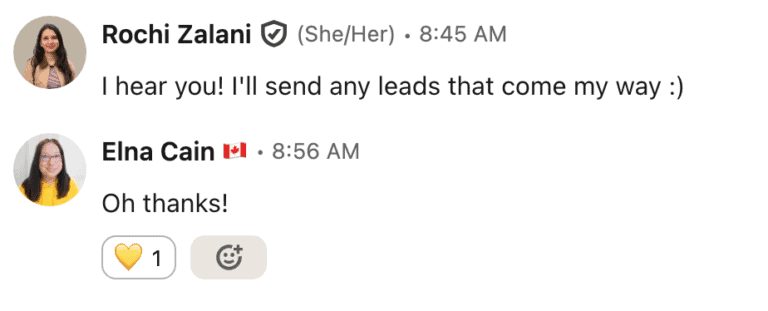
Yes, I know that this is more about taking on lower paying gigs, but if Rochi sends me a lead and that lead is low paying, I have to decide if it is worth it.
If Rochi writes for them and it’s in my target industry, then yes, I will take the gig because there’s a high potential for future collaborations and more gigs in the future.
So when evaluating a project, ask yourself:
Is this client connected to others in my target industry?
If the answer is yes, the long-term value of that relationship might be greater than the project itself.
4. The Writing Job Helps You Build New Skills
I’m not always gung-ho about this reason to take on a lower paying gig.
Usually, if I want to learn a new skill – newsletter writing, case study writing – I focus on pricing these services lower than seeking lower-paying clients (new startups or small companies).
In the end, though, you are working for less to learn a new skill.
And to top it all off, learning on the job while getting paid is one of the best ways to expand your skills.
This is what I did when I wanted to break into email writing.
I sought out other mompreneurs on Instagram and was able to land several email clients. I charged $100 per email and worked up the “income ladder”.
Along with titling my bios with this new service, I also commented and networked with potential clients.
This lead to one prospect DMing me and resulted in an eventual email writing gig!
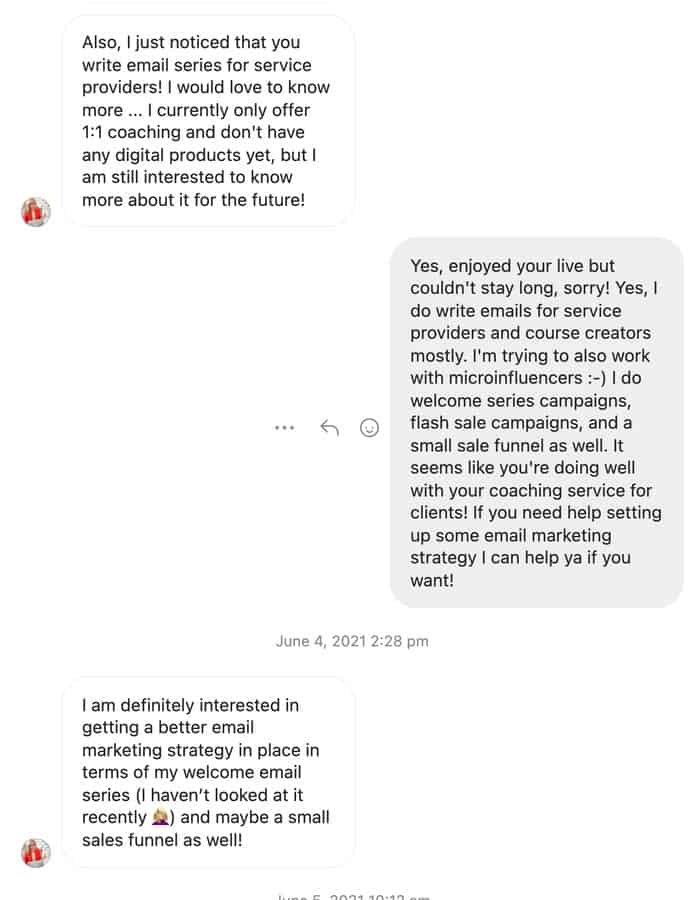
When you work on a new skill for an actual client, you learn things that no course or Youtube video can teach.
You learn:
- How projects unfold in real situations
- How to handle revisions
- How to collaborate with teams
- How to adapt your writing for different audiences
If you want to expand your services, you eventually need real project experience.
And for freelance writers, this works well to help you grow your freelance buisness.
For example, if you want to offer white paper writing, you need to work on those projects for real clients.
Sometimes that means accepting a slightly lower rate for the first few projects so you can build credibility.
But there’s an important balance here.
You don’t want to take projects that are far outside your skill level.
The goal is work that stretches you in a good way.
Just remember that best projects help you grow while still allowing you to produce high-quality work.
5. You’re Actually Excited About the Work
This factor gets overlooked more often than you might expect.
Enthusiasm matters.
When you genuinely enjoy a project, your writing improves.
Your creativity flows more easily. Your research feels interesting instead of exhausting.
And clients notice the difference.
Freelance writers who care about the work tend to deliver stronger results and that is why I’m picky with the clients I choose.
I seek out clients that have brands I enjoy. They are vibrant or the copy is witty and engaging.
I do this because passion projects also help prevent burnout.
If every freelance writing gig you accept is purely about paying the bills, freelancing can start to feel repetitive and draining.
Taking on projects that excite you reminds you why you started freelance writing in the first place.
- Maybe the topic fascinates you.
Maybe the brand has a mission you believe in.
Maybe the project format is something you’ve wanted to try.
When you talk to the client, you feel genuinely interested.
You find yourself saying, “I’d love to work on this.”
And you actually mean it.
Of course, passion shouldn’t constantly replace fair pricing.
But occasionally taking on a project because it excites you can be one of the best benefits of freelancing.
Common Mistakes Freelance Writers Make When Evaluating Projects
I’ve made my fair share of mistakes in the past and you know what? I still occasionally make mistakes now, as a long-time online writer!
Here are a few common ones I’ve seen over the years.
1. Saying Yes to Everything
When you say yes to every opportunity, you lose the ability to be strategic and it looks “cheap” to others (when they view your mish-mash portfolio).
Your schedule fills with random projects that may not align with your goals and eventually you’ll burn out.
Over time, this can slow your business growth.
2. Ignoring Portfolio Value
Some freelance writers focus only on the rate of a project.
But portfolio pieces can be long-term assets that attract better clients.
You should also make it a goal to get better clips for your portfolio.
I did this about five years into freelance writing.
I wanted to work for brands because I wanted those portfolio pieces to bolster what I already had.
Once I landed those brand gigs, I did eventually get more work with better clients.
3. Chasing High-Paying Work That Drains Your Energy
Not every high-paying project is worth it.
If the client relationship becomes stressful or exhausting, the cost may outweigh the income.
Of course, you won’t know this until you say yes to the project and work with the client.
But once you find red flags, don’t stay. Let your client know that you can’t write for them or this is out of your sillset.
4. Taking Projects Too Far Outside Your Skillset
Growth is good. But projects that are completely outside your abilities can damage your reputation if you can’t deliver.
Plus, it’s time-consuming.
When I first started writing about digital marketing, I really had to learn about it. While I enjoyed the time, it was A LOT of time out of my day reading, listening to podcasts or watching a video.
5. Overlooking the Value of Referrals
Some freelance writers are too shy or not sure about asking for referrals, but it’s important that you do.
A strong referral network can replace hours of cold outreach and this is a good thing!
Knowing When to Say No
Learning when to say yes is important.
But learning when to say no is just as valuable.
Every yes means something else gets pushed aside.
When you accept a project, you’re committing time, energy, and focus.
That commitment might mean saying no to:
- Another potential project
- Marketing your business
- Personal time with family
- Rest and recovery
Freelance writers who build sustainable businesses become selective over time (like I have over the years).
They choose projects that fit their goals, their schedule, and their long-term vision.
This doesn’t mean every writing job must be perfect.
It means each decision is intentional.
A mix of well-paying projects, skill-building opportunities, and portfolio pieces can create a balanced and sustainable freelance business.
Don’t Take a Writing Job Without Knowing
I hope this post helps you see the value of taking on lower-paying writing jobs.
So, when you start pitching and negotiating, remember the goal you want to achieve at that time.
This will guide to say yes or no to a potential gig!
Let me know in the comments if you’ve taken on lower paying work and how that turned out!



Leave a Reply