
When I landed clients like GoDaddy, Wordtune, OptinMonster, and beehiiv, it wasn’t because I had the BEST portfolio or even the right knowledge for them.
GoDaddy was more business topics, something I’m not that familiar with while AI companies like Wordtune wanted me to use their tool and adapt it to my contnet, something I wasn’t familiar with.
But that didn’t matter because when I landed these clients, all they remembered was my pitch. I sold my services in my SaaS writer pitch.

If you are a SaaS content writer like me and you’re interested in landing your first or next SaaS writing job, then make sure not to treat every SaaS company the same.
Don’t send the same email to fifty businesses, change the company name, and hope someone replies.
SaaS companies can spot that from a mile away.
Here’s what I do instead to win SaaS companies and get hired that day.
1. Learn Their Product Before You Pitch
If the SaaS company offers a free trial or free plan, sign up before you pitch.
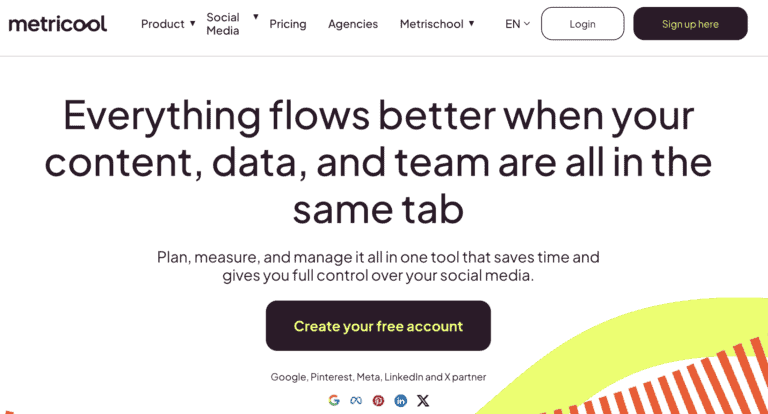
It doesn’t mean you need to spend hours learning every feature. Even 15 to 20 minutes inside the software can give you insights that aren’t obvious from the marketing website.
And, trust me, this is more than what 99% of SaaS writers will do.
Most of the time, they will pitch to companies of tools they already use but if you need more clients, it’s best to start learning more tools.
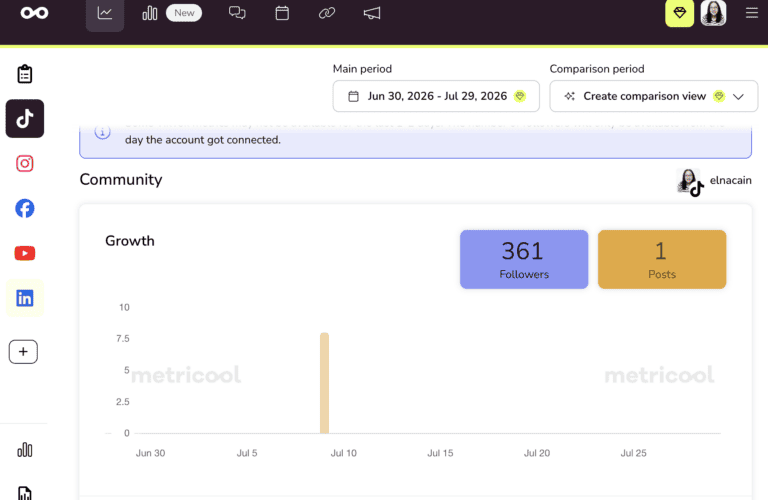
As you use the product, pay attention to:
- Was onboarding easy or confusing?
- What problem does the software solve first?
- Which features are emphasized?
- What surprised you?
- What questions did you have while using it?
This gives you something genuine to reference in your pitch.
Instead of saying:
I enjoyed reading your website.
You can say:
I signed up for your free trial yesterday and noticed how quickly the onboarding walked me through creating my first campaign.
That immediately tells the marketing manager you actually invested time in understanding their product.
2. Figure Out Who Actually Uses the Software
It’s a good thing to learn the tool or service but don’t forget to also understand who it’s built for. SaaS businesses are using content to solve the problems of specific people.
As you research the company, ask yourself who their ideal customer is.
Are they marketing to startup founders, marketing managers, ecommerce business owners, developers, HR professionals, or finance teams?
Then go a step further.
How experienced are those users? What challenges are they trying to solve? What frustrations do they face every day?
And if you want to pitch your AEO/GEO writing, you can ask yourself what questions would they type into Google or ChatGPT before they ever discovered this software?
Answering these questions helps you think like the company’s audience instead of just another freelance writer looking for work.
It also makes your pitch much stronger because you’re showing the marketing team that you understand the people they’re trying to reach.
Rather than simply offering blog writing services, you’re positioning yourself as someone who can create content that speaks directly to their ideal customers—and that’s a much more valuable conversation to have.
3. Understand the SaaS Company Content Funnel
On a SaaS blog, every article usually has a purpose, whether it’s attracting new visitors, educating potential customers, or helping existing users get more value from the product.
Once you understand that strategy, you’ll start seeing opportunities that many freelance writers completely miss.
Most SaaS companies create content for different stages of the customer journey.
At the top of the funnel, they publish educational articles that answer common questions and introduce people to a problem they may not even realize they have.
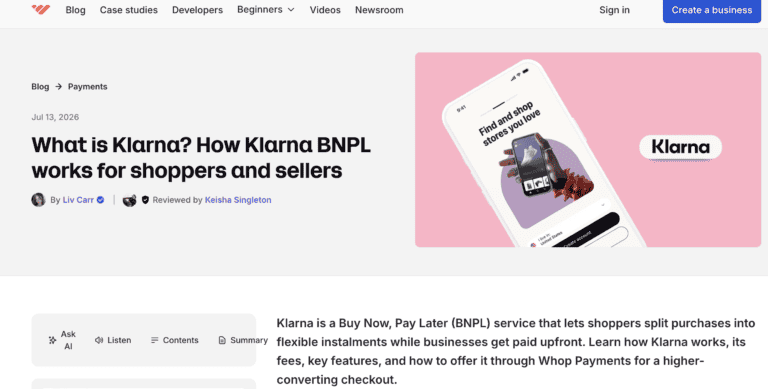
For example, Whop has an article on Klarna. They have this article because they want to help their users understand what it is and how to offer it through Whop’s payments for a better converting checkout.
As readers move closer to making a purchase, the content shifts toward comparison posts, product alternatives, case studies, and buying guides that help them evaluate different solutions.
After someone becomes a customer, the focus often changes again with tutorials, onboarding content, help articles, feature updates, and best practices that encourage product adoption and long-term retention.
This is why simply saying, “I write blog posts,” isn’t usually enough when pitching a SaaS company.
Every blog post should support a larger business goal. Instead, show that you understand where their content fits into the customer journey.
For example, you might notice they’re publishing plenty of educational, top-of-funnel articles but have very few comparison posts for buyers researching alternatives.
Or perhaps their blog does a great job attracting new visitors, but their resource center is missing practical content that helps customers get started with the product after they sign up.
Making observations like these immediately changes the conversation.
In your pitch, show that you understand how SaaS content supports marketing, sales, and customer success.
That’s the kind of thinking content marketing managers are looking for because it demonstrates you see the bigger picture, not just the writing assignment.
4. Speak the Language Their Marketing Team Uses
One of the fastest ways to show a SaaS company you’ve worked in their industry is to use the same language their marketing team uses every day.
If your pitch simply says, “SEO blog posts,” you’re describing a service that thousands of other freelance writers also offer. It doesn’t tell the company that you understand how SaaS businesses market their products or support their customers.
As you research the company, pay attention to the types of content they’re already creating.
Many SaaS marketing teams aren’t just publishing blog articles.
They’re launching new features, writing product announcements, creating comparison pages, building integration pages, publishing customer success stories, sending onboarding email sequences, updating release notes, maintaining help documentation, organizing SEO topic clusters, and developing thought leadership for their executives.
Each of these content types serves a different purpose within the business.
When you mention these assets in your pitch, you immediately sound more familiar with the SaaS industry. For example, instead of saying, “I noticed your blog hasn’t been updated,” you might say, “I noticed you’ve released several new integrations recently, but I didn’t see much supporting content explaining how customers can get the most value from them.”
That’s a much more specific observation because it shows you understand how content supports product marketing, customer education, and user adoption.
Speaking the language of SaaS marketing also helps the hiring manager picture you as part of their team.
And you’re also showing that you understand the many ways content helps a software company attract customers, educate users, and grow its business.
5. Find the Right Person Before You Hit Send
Even the best SaaS pitch won’t land if it ends up in the wrong inbox.
When I first started pitching SaaS companies, I assumed there was one magical email address on every website where freelance writers should send their pitches. It didn’t take long to realize that’s rarely how content teams work.
Instead, I look for the person who’s actually responsible for content. That might be a Content Marketing Manager, Head of Content, Senior Content Strategist, or Content Lead.
I’ll usually start with LinkedIn, browse the company’s team page, and look for someone whose role aligns with content marketing.
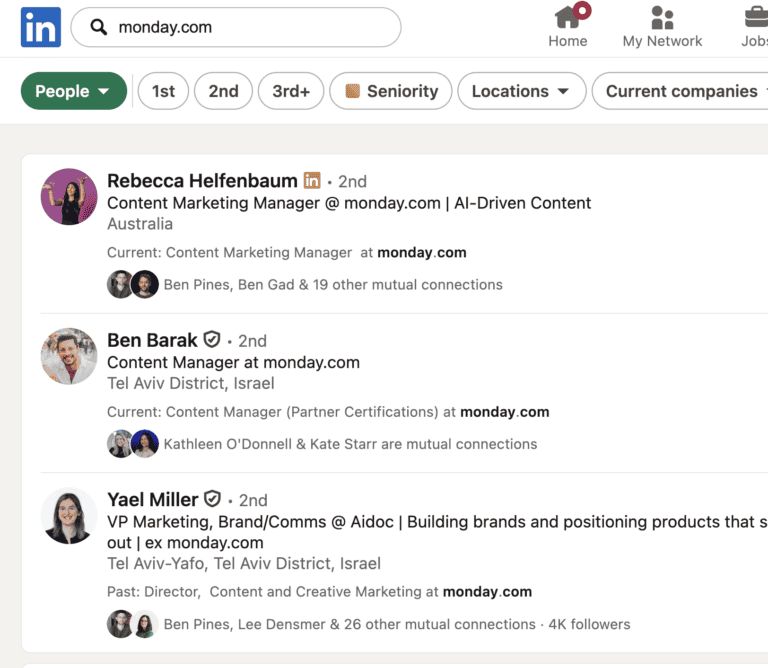
If I can’t find an email address, I’ll use email finder tools or look for clues on the company’s website.
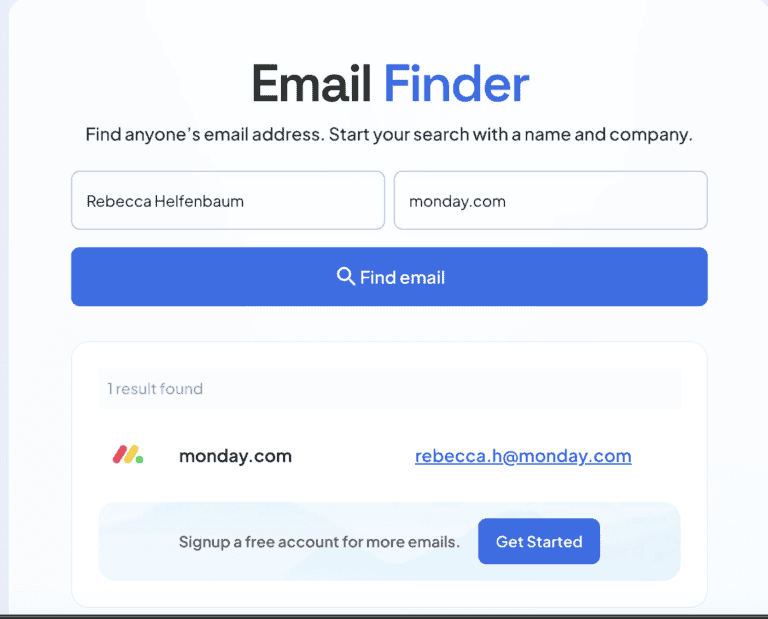
The easier you make it for the right person to see your pitch, the better your chances of getting a response.
Spending an extra ten minutes researching the correct contact is far more effective than sending your email to a generic “hello@” inbox and hoping someone forwards it.
6. Write a Subject Line That Sounds Like a Human
Your subject line decides whether your pitch gets opened or ignored.
I used to spend far more time writing the body of my email than I did the subject line. Now I know the subject line deserves just as much attention because it creates the first impression.
One of my favorite subject line formulas is incredibly simple:
Hi (Name) – Quick question about your content strategy
It feels conversational rather than salesy, and it tells the recipient exactly what the email is about.
Another subject line I’ve used successfully starts with a genuine compliment, such as:
Hi Sarah – Loved your AI search guide
People naturally respond to sincerity.
In fact, research found that receiving compliments activates the same reward centers in the brain associated with positive social interactions. A genuine compliment isn’t a gimmick—it’s simply a more human way to begin a conversation.
The key word there is genuine. Don’t manufacture compliments just to get someone to open your email. Mention something you honestly appreciated while researching their company.
7. Write a Pitch That Makes It Easy to Say Yes
My first couple of pitches were long and wordy. I wanted to tell my experience and why I would the be the perfect fit for their content goals.
Looking back, most of that information wasn’t necessary.
Today, my pitches are much simpler.
I start by mentioning something specific I enjoyed about the company. Then I briefly introduce myself, explain why I’m reaching out, and share one or two ideas that would genuinely help their content strategy.
Remember, your pitch doesn’t need to be clever or funny. But I would caution that you need to have some personality in your pitch, or else it will sound like AI.
Content marketers and editors are posting all over LinkedIn saying they’re tired of getting AI templated pitches that are void of any personality.
So, don’t be shy to use slang like Plz or sesh. Be causal with your opening and make it engaging.
8. Proofread Before You Press Send
I wish I could tell you I’ve never made an embarrassing mistake in a pitch.
Unfortunately, that’s not true.
Years ago, I accidentally greeted a prospect with the wrong name. Somehow they still replied, but I definitely don’t recommend testing your luck.
Before sending any pitch, I read it out loud. Reading slowly helps me catch awkward wording, repeated phrases, and small mistakes my eyes skim over when reading silently.
As I proofread, I ask myself whether every sentence actually needs to be there. If it doesn’t move the conversation forward, I delete it.
You want to make your email as clear, concise, and helpful as possible when you proofread.
9. Give Your Pitch Time Before Following Up
One of the hardest parts of pitching is waiting.
You send an email you’re excited about… and then nothing happens. Days can go by and you’re pulling your hair guessing on whether or not you should move on or wait it out.
It’s tempting to assume they’re not interested but most of the time, that’s not the case.
Content managers are juggling meetings, deadlines, launches, and dozens—sometimes hundreds—of emails every week. Your pitch may simply have landed at the wrong time.
That’s why I usually wait about a week before following up. Giving people space shows professionalism while also giving your email a chance to be seen.
Make sure to read my FREE preview of how to always get a response from a pitch from my course Writeto1k.
10. Follow Up Without Feeling Pushy
Following up used to make me uncomfortable because I didn’t want to annoy anyone.
Now I look at it differently.
If someone genuinely missed my first email, a thoughtful follow-up is actually helpful.
I love a follow-up that is relevant to what I’m doing or what’s going on in the industry since I received that first message.
So instead of writing, “Just checking in,” I’ll mention a recent product launch, funding announcement, LinkedIn post, or blog article they published since my first email.
It reminds them why I reached out in the first place and keeps the conversation relevant.
I’ve had SaaS companies reply after my second—or even third—follow-up, so don’t assume silence always means no.
11. Improve Your Pitch Instead of Sending More Emails
If you’ve sent dozens of pitches without hearing back, sending another fifty probably isn’t the answer.
Instead, look for patterns.
- Are people opening your emails?
- If not, your subject line may need work.
- Are they opening them but never replying?
- Maybe your pitch talks too much about you and not enough about their business.
One of the best things I ever did was stop treating my pitch as a finished template. Every few months, I’ll read through it with fresh eyes and ask myself what could be clearer, shorter, or more relevant to SaaS companies today.
In my Writeto1k program I share all the iterations of my pitch so you can see how it evolved and how it changed based on my growth as a writer.
Small improvements often produce much bigger results than simply increasing the number of emails you send.
12. Keep Building Relationships—Even After You Get Clients
Usually when I had a lead or two, I would stop my outreach altogether.
I thought one promising lead meant I could relax. Sometimes those conversations turned into clients.
Other times, they disappeared without another reply.
Now I know better.
I continue building relationships whether I’m fully booked or actively looking for work. I stay connected with content marketers on LinkedIn, engage with companies I admire, congratulate clients on launches, and occasionally check in with prospects I spoke with months earlier.
Some of my longest-running SaaS clients didn’t hire me after the first email or the second.
They hired me because we stayed connected until the timing was right. They may have a new silo of content they need to fill out or they worked with AI for content and realized that was a mistake and are now scrambling to hire a writer.
Either way, you are top of mind when you keep nurturing those relationships.
Pitching SaaS Writing Clients
Landing SaaS clients isn’t about sending hundreds of pitches or finding the perfect template. It’s about showing that you understand their business and can help them achieve their marketing goals.
Not every pitch will get a response—and that’s okay. I’ve had companies reply weeks or even months later. The important thing is to keep refining your approach, following up professionally, and building relationships with companies you genuinely want to work with.
One thoughtful, personalized pitch to the right SaaS company will almost always outperform dozens of generic emails. Focus on quality over quantity, and you’ll build a client roster that’s worth the extra effort.
I hope this was helpful!



2 Comments