
I’ve always found it interesting how freelance writers tend to recommend the same handful of books.
You’ll see the usual suspects pop up over and over again.
The writing books. The copywriting books. The business books.

And don’t get me wrong, many of them deserve the hype.
But after being a freelance writer for many years, I’ve realized some of the most valuable books I’ve read weren’t necessarily about freelance writing at all.
Some taught me how to write better while others taught me about how to think about money differnetly.
And others helped me market myself when I had no idea how to find clients.
I still remember reading books during nap time when my twins were babies and I was desperately trying to figure out how people actually made money writing online.
Back then, I couldn’t afford expensive courses or coaching programs. But I could borrow a book from the library or pick one up for a few dollars.
Looking back, books played a much bigger role in my freelance writing journey than I probably realized at the time.
So, if you’re a new budding writer and you’re struggling to land your first client or grow your income and even improve your writing, here are some books that have shaped the way I think about writing and freelancing as a whole.
1. On Writing by Stephen King

This is probably one of the most recommended books for writers and for good reason.
Part memoir and part writing guide, Stephen King shares practical advice about storytelling, editing, and developing your own writing style.
Even if you don’t write fiction, there’s something refreshing about hearing how another writer approaches the craft.
2. Everybody Writes by Ann Handley

If your goal is writing content online, this book deserves a permanent spot on your bookshelf.
What I love about Ann’s writing is that she makes writing feel approachable. She reminds us that good writing isn’t about sounding smart. It’s about communicating clearly.
3. On Writing Well by William Zinsser
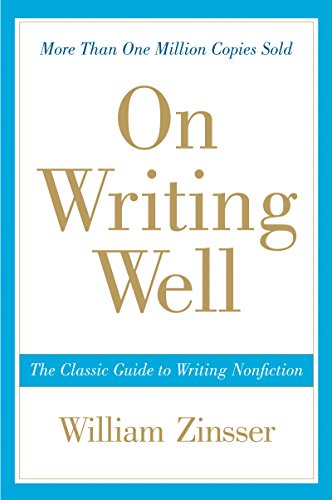
This book taught me something that has served me well throughout my freelance career:
Simple writing wins.
Clients don’t hire writers to sound impressive. They hire writers to make complicated ideas easier to understand.
4. Bird by Bird by Anne Lamott

There are some books that teach writing and others that teach you how to survive being a writer.
If you’ve ever stared at a blank page convinced you have no idea what you’re doing, you’ll appreciate this one.
5. The Copywriter’s Handbook by Robert Bly
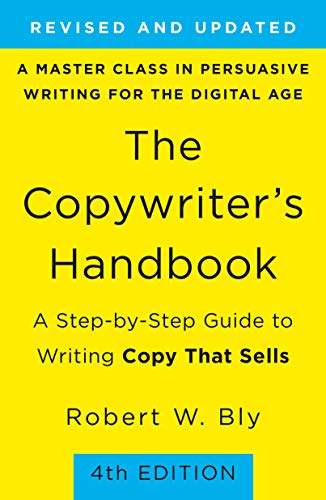
Robert Bly has been teaching copywriters how to write words that sell for decades, and The Copywriter’s Handbook has become one of those books that seems to appear on almost every recommended reading list for copywriters.
After reading it, it’s easy to understand why.
The book covers many of the fundamentals of direct-response copywriting, including headlines, leads, calls-to-action, sales letters, landing pages, email marketing, and understanding what motivates people to buy.
6. Building a StoryBrand by Donald Miller

This book completely changed how I think about messaging.
One of the biggest mistakes new freelance writers make is talking about themselves too much.
Clients care about their problems.
StoryBrand helps you understand how to position your writing around the reader instead.
7. Made to Stick by Chip Heath and Dan Heath
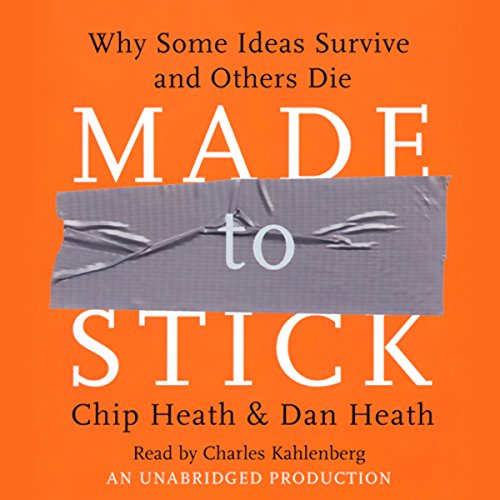
Chip and Dan Heath set out to answer a question that every writer, marketer, and copywriter has probably asked at some point: why do some ideas stay with us while others disappear almost immediately?
In Made to Stick, they explore why certain messages become memorable, persuasive, and easy to share while others fail to make much of an impact, even when the information itself is useful or important.
Throughout the book, they break down concepts like simplicity, emotion, storytelling, credibility, and curiosity, showing how these elements work together to make ideas easier for people to understand and remember.
8. Writing Tools by Roy Peter Clark

Some writing books are meant to be read once and placed back on the shelf.
Writing Tools isn’t one of them.
This is the type of book freelance writers and copywriters find themselves returning to repeatedly because it’s packed with practical techniques that can immediately improve the way you write.
Roy Peter Clark shares dozens of “tools” that cover everything from sentence structure and word choice to storytelling, rhythm, transitions, and creating stronger openings and endings.
9. The Boron Letters by Gary Halbert

This isn’t your typical business book.
Gary Halbert wrote these letters to his son while serving time in prison, and somehow managed to create one of the most respected copywriting resources ever published.
10. Company of One by Paul Jarvis

I wish I had read this sooner.
As freelancers, we’re often told to grow bigger, hire more people, and constantly scale.
Paul challenges that idea and asks whether bigger is actually better.
For many freelance writers, it isn’t.
11. Profit First by Mike Michalowicz

Mike Michalowicz introduces a simple but surprisingly powerful system for managing your money by prioritizing profit first instead of treating it as whatever happens to be left over at the end of the month.
The book walks through topics like cash flow management, paying yourself consistently, setting aside money for taxes, and creating healthier financial habits that help your business become more sustainable over the long term.
What I appreciate most about this approach is that it feels practical and realistic for freelancers and small business owners who don’t necessarily have accounting backgrounds or complicated financial systems in place.
12. Atomic Habits by James Clear
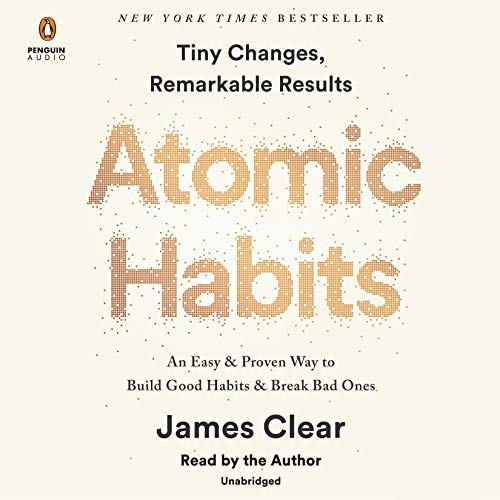
I recommend this book constantly.
Not because it’s trendy, but because freelancing is really just a collection of small habits repeated over and over again.
Writing.
Pitching.
Marketing.
Showing up.
The writers who stick around are usually the ones who build sustainable habits. And this book helps you to that point.
13. Deep Work by Cal Newport
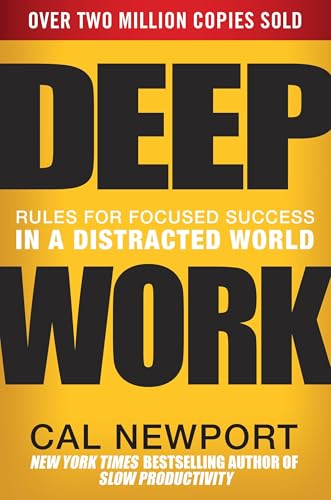
One of the hardest parts of freelancing today is protecting your focus.
Notifications, emails, social media, and AI tools are constantly competing for our attention.
This book helped me rethink how I structure my workdays.
14. Essentialism by Greg McKeown

When I first started freelance writing, it was hard saying no. I practically said yes to any freelance writing job that came my way. But this didn’t help me grow, I just got stuck trying to write dozens of different niches and topics.
More clients can sometimes mean more stress, more deadlines, more context switching, and less time for the work that actually moves your business forward.
That’s what makes Essentialism such an important read.
Greg McKeown makes the case that success isn’t about doing more things faster or becoming more productive every single year.
Instead, it’s about becoming incredibly clear about what matters most and having the discipline to eliminate the things that don’t.
15. Rework by Jason Fried and David Heinemeier Hansson

There are plenty of business books that make entrepreneurship feel far more complicated than it probably needs to be, often leaving you with the impression that success requires bigger teams, longer hours, endless meetings, complicated systems, and growth at all costs.
Rework takes a very different approach.
Jason Fried and David Heinemeier Hansson challenge many of the traditional assumptions we’ve been taught about running a business and instead make a compelling argument for simplicity, efficiency, and building a business that actually supports the life you want to live.
16. Strong Language: The Fastest, Smartest, Cheapest Marketing Tool You’re Not Using by Chris West
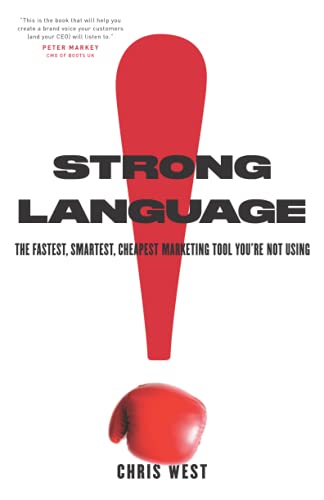
Words are your primary tool as a freelance writer, and this book shows you how to use them more strategically.
Chris West focuses on how language shapes perception—how the right words can make a brand feel more trustworthy, more memorable, and more compelling.
He dives into tone, clarity, and positioning in a way that’s practical and easy to apply to client work.
17. Big Magic by Elizabeth Gilbert

This book found me during a season when I desperately needed it.
If you’ve ever worried about putting yourself out there, trying something new, or creating imperfect work, you’ll probably connect with it too.
18. The War of Art by Steven Pressfield

Every freelance writer eventually runs into resistance.
It shows up as procrastination, overthinking, endless research, reorganizing your portfolio for the tenth time, or convincing yourself that you’ll start pitching clients next week instead.
Steven Pressfield gives that resistance a name and argues that it’s often the thing standing between us and the work we’re capable of doing.
19. This Is Marketing: You Can’t Be Seen Until You Learn to See By Seth Godin

What I appreciate most about this book by Seth Godin is that it approaches marketing from a completely different angle than many traditional marketing books.
Instead of focusing on tricks, hacks, or tactics, Seth focuses on empathy, connection, and understanding the people you’re trying to serve.
You’ll learn how to create work you’re genuinely proud of, use marketing to solve real problems, and build stronger relationships with your audience through trust and authenticity.
For copywriters especially, this book is a great reminder that some of the most effective marketing doesn’t feel like marketing at all.
It feels like understanding your audience well enough to create something they genuinely need.
20. Writing for Impact: 8 Secrets from Science That Will Fire Up Your Readers’ Brains
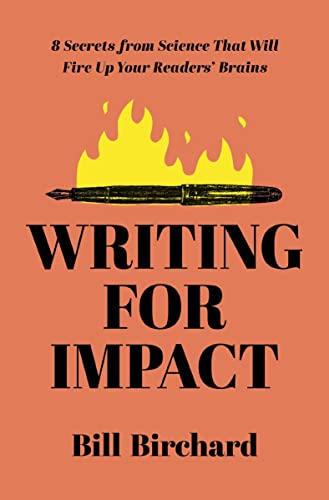
If you want to understand persuasion as a copywriter, this book is worth picking up.
One of the biggest differences between writing that gets ignored and writing that gets results often comes down to understanding how people think and make decisions.
Bill Birchard pulls fom neuroscience and psychology to explain why certain messages grab attention, stick in our memories, and motivate people to take action.
The book explores concepts like curiosity, emotion, storytelling, cognitive load, and how our brains respond to information.
What I appreciate most is that it explains the science behind persuasion rather than simply giving you copywriting formulas to follow.
21. How to Write Clearly: Write with purpose, reach your reader and make your meaning crystal clear (The Freelance Writer’s Starter Kit)

Copywriters spend so much time thinking about persuasion, headlines, and conversions that sometimes we forget the foundation of great copy is simple communication.
If your reader has to work to understand what you’re saying, you’ve probably already lost them.
That’s what makes this book so valuable.
Tom Albrighton focuses on helping writers communicate ideas with clarity, precision, and purpose rather than relying on jargon or overly complicated language.
22. Influence: The Psychology of Persuasion by Robert B. Cialdini, Ph.D.
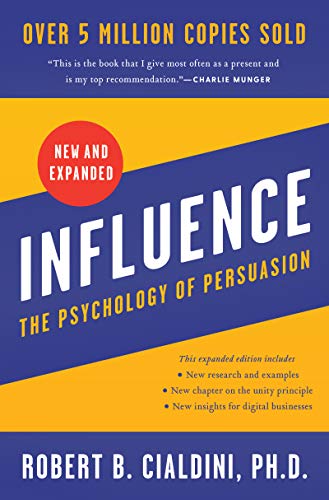
If you’re writing anything meant to persuade—sales pages, landing pages, emails, or even blog posts—this book is essential.
Cialdini breaks down the core psychological principles that drive people to say “yes,” including social proof, authority, reciprocity, scarcity, and more.
What makes this book so valuable for freelance writers is that it helps you understand why certain messages work, not just how to write them.
23. They Ask, You Answer by Marcus Sheridan

One of the biggest lessons in copywriting is that great copy doesn’t start with clever words. It starts with understanding the questions, concerns, and objections your audience already has.
Marcus Sheridan argues that businesses grow faster when they answer the questions customers are already asking instead of avoiding them.
- Pricing questions.
- Comparison questions.
- Concerns and objections.
These are the topics customers are typing into Google before they’re ready to buy.
For copywriters, this is incredibly valuable because it changes how you approach research and messaging.
The best copy often feels like you’re reading the customer’s mind.
This book helps you understand how to do exactly that.
24. Contagious by Jonah Berger

Have you ever published a blog post that took off unexpectedly while another one that you were convinced would perform well barely got any traction?
I think every writer has experienced that at some point. You sit there wondering what made one piece resonate while another quietly disappeared into the internet void, no matter if it’s for you or for your clients.
That’s exactly what Contagious explores.
Jonah Berger breaks down why certain ideas, stories, products, and pieces of content spread while others don’t.
And spoiler alert: it usually isn’t luck. He introduces principles behind why people share content, talk about brands, and pass ideas along to other people.
25. Daily Rituals by Mason Currey

One thing I’ve noticed after more than a decade of freelance writing is that most successful writers are surprisingly boring.
Not in a bad way.
But when you read about their routines, there usually isn’t some magical productivity hack or secret morning formula hiding behind their success.
They simply show up consistently.
That’s exactly what makes Daily Rituals such an interesting read.
Mason Currey looks at the habits, schedules, and routines of artists, writers, musicians, and creators throughout history to see how they approached their work.of how artists, writers, and creators structure their days.
Spoiler alert: nobody seems to have it all figured out.
26. How to Write Short: Word Craft for Fast Times by Roy Peter Clark

Writing less is often harder than writing more.
Clients want content that’s clear, concise, and easy to scan, especially online. Roy Peter Clark shares practical techniques for trimming unnecessary words while still making your writing filled with impact.
It’s one of those books you’ll find yourself referring back to throughout your freelance career.
27. Free Money: Nine Counterintuitive Moves for Life-Changing Freelance Income by Austin L. Church
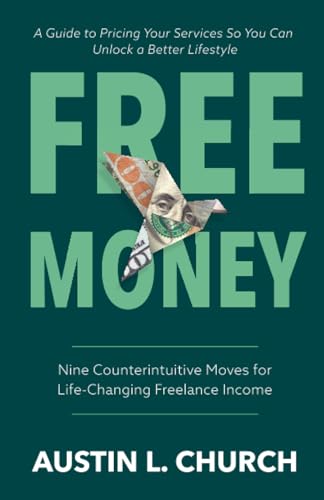
This isn’t a book full of generic productivity tips or motivational quotes.
Austin challenges the way freelancers think about pricing, positioning, client relationships, and long-term income.
I appreciate that many of his ideas go against conventional freelance advice, encouraging you to build a business that’s both profitable and enjoyable to run.
28. The Six Figure Freelancer by Laura Briggs

Laura Briggs has been freelancing for years, and this book feels like advice from someone who’s been in the trenches.
She covers everything from attracting better clients and increasing your rates to creating systems that help your business grow without burning yourself out.
If you’re aiming for your first consistent income or six figures, there’s plenty of practical advice here.
29. Stories That Stick by Kindra Hall

One skill that separates average freelance writers from highly paid ones is the ability to tell a story.
If you’re writing a case study, an email sequence, a blog post, or website copy, stories help readers connect with the message. Facts and statistics are important, but stories are often what make people remember what they just read.
Kindra Hall breaks down exactly why storytelling works and how you can use it in your own writing without feeling forced or cheesy.
30. The Freelance Content Marketing Writer by Jennifer Goforth Gregory

If your goal is writing blog posts, ebooks, white papers, and other content marketing assets for businesses, this book is incredibly relevant.
Jennifer walks through what clients actually expect, how content marketing projects work, and how to build a sustainable freelance business serving companies. It’s especially helpful if you’re transitioning from general writing into B2B content marketing.
31. A Self-Help Guide for Copywriters: A resource for writing headlines and building creative confidence by Dan Nelken

One of the biggest misconceptions about copywriting is that great ideas simply arrive out of nowhere and talented writers are somehow naturally more creative than everyone else.
Dan Nelken does a great job dismantling that myth.
Instead, he shows that creativity is a skill that can be practiced, strengthened, and developed over time.
The book is packed with exercises, frameworks, and prompts designed to help you generate stronger ideas and write better headlines without relying on inspiration to strike at the perfect moment.
It’s Time to Grow Your Skills as a Freelance Writer
If there’s one thing I’ve learned after 12 years of freelance writing, it’s that becoming a better copywriter rarely happens by focusing exclusively on writing.
The books that have helped me the most taught me about psychology, creativity, habits, business, marketing, money, and even myself.
Some of the ideas in these books directly led to better writing.
Others led to better decisions.
And often, that’s what growing a freelance business really comes down to.
I hope you found this list helpful for your new budding career!

Leave a Reply